General Mills Brings Protein Into the Cereal Aisle With GHOST Collaboration
Krissy Vann | Host, All Things Fitness and Wellness
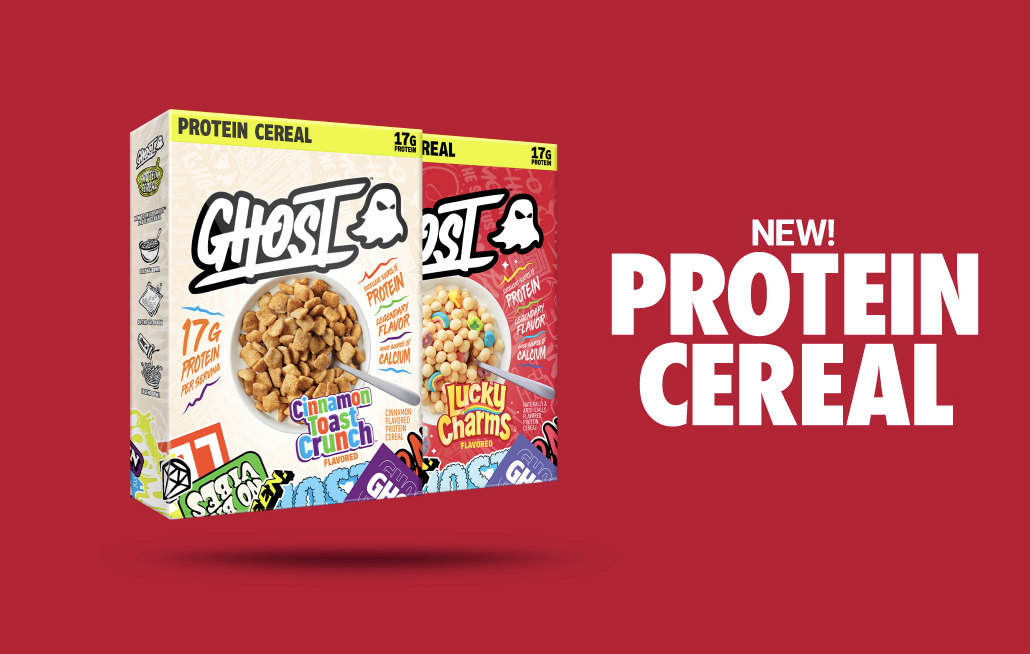
Protein continues to move into categories that have not traditionally been associated with performance nutrition, and breakfast cereal is now part of that shift. General Mills has expanded its collaboration with sports nutrition brand GHOST, introducing two protein-enhanced cereals inspired by Cinnamon Toast Crunch and Lucky Charms.
According to the companies, the products provide 17 grams of protein per serving and are positioned as a protein-forward option built around familiar flavors. While cereal has historically been viewed as a convenience or indulgence product rather than a functional one, the launch reflects how strongly protein now shapes consumer expectations around food, even in categories not typically associated with health or fitness.
For the fitness industry, the relevance lies less in cereal as a performance food and more in what the product signals about consumer behavior. Protein has become the dominant nutritional shorthand for health and muscle support, influencing purchasing decisions well beyond gyms and supplement aisles. Trainers and operators increasingly encounter members who prioritize protein intake while still seeking taste, familiarity, and convenience.
General Mills has said the launch fits within a broader expansion of protein-enhanced products across its portfolio. From a business standpoint, this underscores how legacy food manufacturers are moving closer to performance-adjacent positioning, often through partnerships with brands already embedded in fitness culture. For GHOST, the collaboration extends its reach into mainstream grocery retail, while General Mills gains credibility in a space where protein remains a key driver of demand.
As protein labeling becomes more widespread, the challenge for fitness professionals will be helping consumers understand how these products fit into total daily nutrition rather than treating them as interchangeable with more nutrient-dense options. The trend mirrors what has already occurred with protein bars and ready-to-drink shakes, which transitioned from specialty retail to everyday grocery items without fundamentally changing their role in performance nutrition.
The broader takeaway for the fitness industry is that protein continues to reshape product development and marketing across mainstream food categories. As the line between traditional food and performance nutrition blurs, education and context will matter more than labels alone.