Google Expands Fitbit Lineup With Edge as Wearables Market Shifts Toward AI-Powered Health Tracking
Krissy Vann | Host, All Things Fitness and Wellness
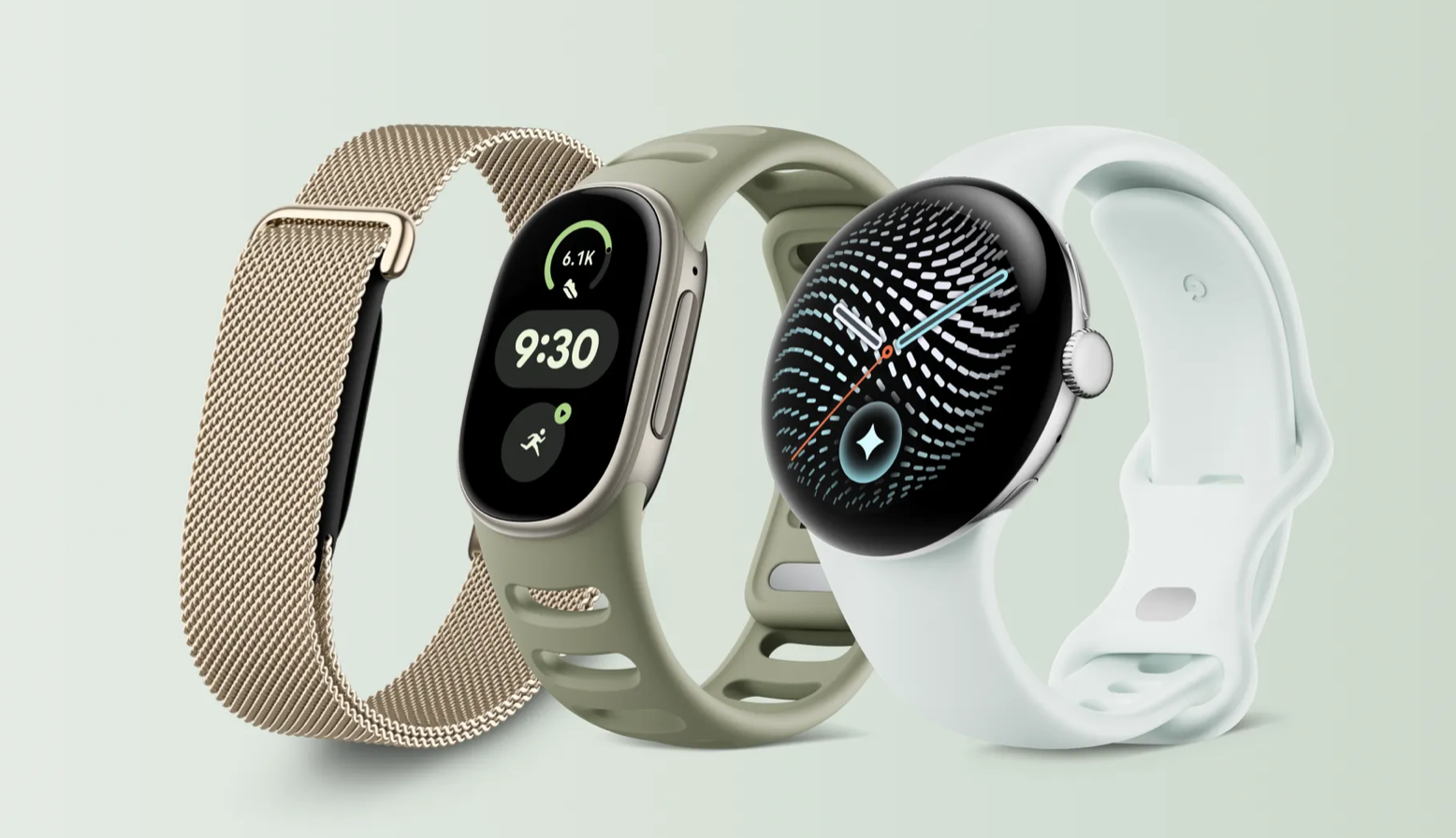
Google is expanding its wearable technology portfolio with the introduction of Fitbit Edge, a new fitness tracker that combines activity monitoring, advanced health sensors and AI-powered coaching in a compact design.
The launch adds another option to a wearables market increasingly focused on personalized health insights, recovery monitoring and continuous biometric tracking. Fitbit Edge is positioned between Google's Pixel Watch smartwatch lineup and its screenless Fitbit Air, targeting consumers who want more detailed fitness and health information without the size or functionality of a full smartwatch.
The device features an 11.5mm-thin aluminum case, a Hybrid OLED display and up to seven days of battery life. Google says the screen provides 46% more viewing area than previous Fitbit trackers, while the device's case is 45% lighter than the Apple Watch Series 12.
For fitness tracking, Fitbit Edge supports more than 50 exercise modes, including running, Pilates and high-intensity interval training. It also includes built-in GPS, an altimeter and automatic activity recognition capable of identifying up to 100 types of workouts. Google reports that GPS accuracy has improved by up to 40% compared with previous generations.
Beyond exercise tracking, the device incorporates continuous heart rate monitoring, an ECG app, skin temperature sensing, sleep analysis and heart rate variability measurements. Google is also introducing Health Guardian features designed to monitor changes in health indicators, including blood pressure and insulin resistance trends, although the announcement does not specify the validation or regulatory status of these capabilities.
A central component of Google's wearable strategy is its AI-powered Health Coach, which connects activity and biometric information to personalized fitness and wellness recommendations. Through Google Health Premium, users can receive guidance based on changes in their health metrics, recovery patterns and training activity.
The integration reflects a broader shift in wearable technology from collecting health data toward interpreting that information and providing recommendations. For fitness and wellness businesses, this development raises questions about how AI-generated coaching and increasingly detailed consumer health data may influence expectations for personal training, recovery services and individualized programming.
The device also includes Google Maps, media controls, notifications and interchangeable bands, maintaining some smartwatch functionality while emphasizing fitness and health monitoring.
Google is introducing a Stephen Curry Special Edition Fitbit Edge, developed with the NBA player and Google Performance Advisor. The special edition is priced at $219.99, although pricing for the standard Fitbit Edge was not provided in the announcement.
The launch comes as wearable manufacturers continue to compete across multiple product categories, including smartwatches, fitness bands and screenless health trackers. Google's expanded Fitbit lineup reflects an effort to serve consumers with different preferences for screen size, battery life, fitness functionality and access to personalized health insights.
For the fitness industry, the continued development of AI-enabled wearables presents both opportunities and competitive considerations. As consumers gain access to more detailed health information and automated recommendations, fitness operators and trainers may face growing expectations to incorporate wearable data into coaching, programming and member experiences.