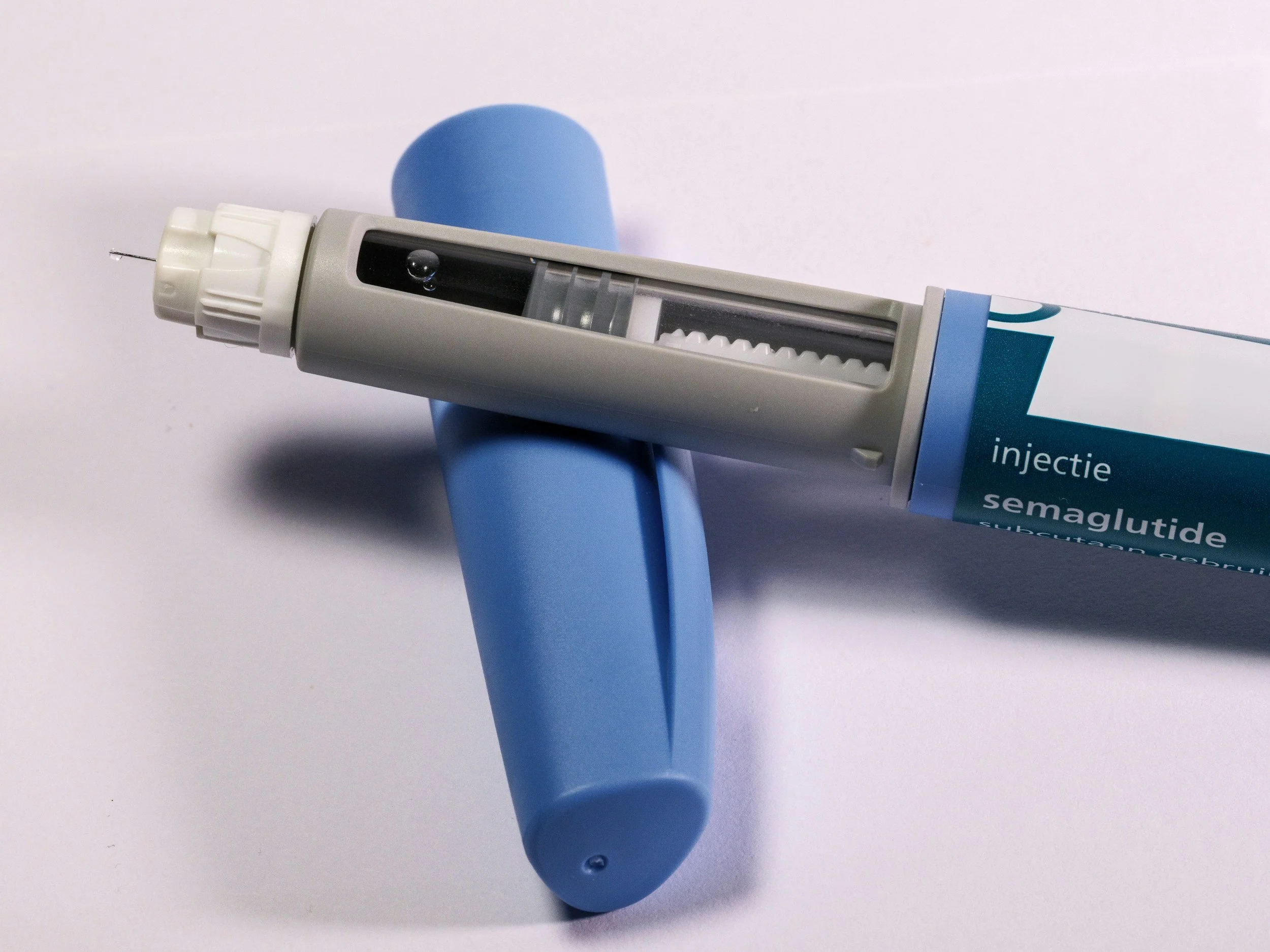
Novo Nordisk Wins FDA Approval for Higher-Dose Wegovy
Krissy Vann | Host, All Things Fitness and Wellness
Novo Nordisk has received approval from the U.S. Food and Drug Administration for a higher-dose version of its weight loss drug Wegovy, further raising the ceiling on what GLP-1 medications can deliver.
The new dose, Wegovy HD at 7.2 mg, showed average weight loss of roughly 21 percent over 72 weeks in clinical trials when patients remained on treatment, according to data from the STEP UP study. Even when accounting for participants who discontinued, weight loss averaged around 19 percent.
One of the more notable data points: about one in three participants achieved 25 percent weight loss or more.
For context, the previously approved 2.4 mg dose of Wegovy produced average weight loss closer to 16 to 18 percent in similar conditions. The higher dose pushes that benchmark further, reinforcing how quickly expectations are shifting in the medical weight loss category.
The approval builds on what has already been a fast-moving space. GLP-1 medications have moved from niche treatment to a central force in the broader health and fitness ecosystem, influencing everything from gym member behavior to programming, retention strategies and ancillary services.
From a clinical standpoint, Wegovy remains differentiated in one key area. It is currently the only GLP-1 approved for both weight loss and the reduction of major cardiovascular events in adults with obesity and existing heart disease.
The new high-dose option adds another layer for physicians, allowing for more aggressive treatment in patients who tolerate the standard dose but require additional weight reduction.
There are trade-offs. Higher doses were associated with increased rates of side effects, including gastrointestinal issues and sensory-related symptoms such as dysesthesia, which were reported more frequently than with lower doses.
Wegovy HD is expected to become available in the U.S. in April across retail pharmacies, telehealth providers and direct-to-consumer channels.
For operators, this is another signal that medical weight loss is continuing to accelerate, not plateau. As outcomes improve and adoption grows, the downstream impact on fitness habits, member expectations and program design is likely to deepen.
The question is no longer whether GLP-1s will shape the industry, but how quickly operators adapt to members whose physiology and motivations are changing alongside these treatments.