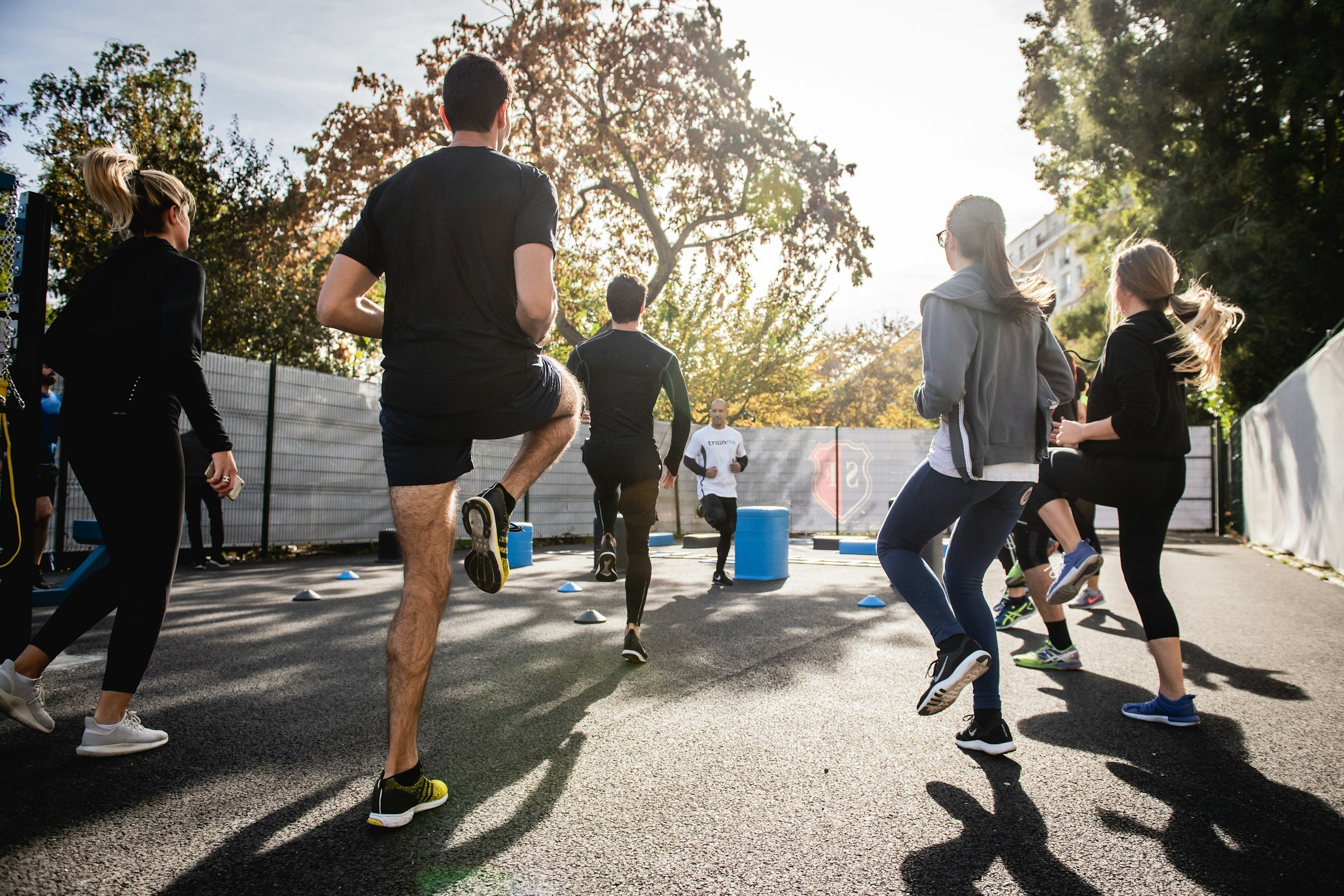
Gen Z Trades Scrolling for Sweat as Global Activity Patterns Shift, Strava Report Finds
Krissy Vann | Host, All Things Fitness and Wellness
New global data from Strava points to a clear behavioural shift among younger generations. Instead of spending more time on passive digital platforms, Gen Z is choosing movement, connection, and community as primary outlets in 2025. The findings come from Strava’s twelfth annual Year In Sport Trend Report, which analyzed billions of activities across 185 countries and surveyed more than 30,000 people.
Strava reports that Gen Z is increasingly running, racing, lifting, and meeting others through fitness. This generation also showed the strongest interest in active social experiences, from run clubs to group events, while maintaining consistent engagement through Strava’s platform. Across all users, 14 billion kudos were given in 2025, and subscribers recorded one hour of activity for every two minutes spent on the app.
Michael Martin, chief executive officer of Strava, said the shift is significant. He noted that more than half of Gen Z plans to use Strava more in 2026, while most expect to use Instagram and TikTok the same amount or less. Martin said the company plans to build the tools that keep people connected through activity for years ahead.
Running remained the most recorded activity on Strava in 2025, with racing participation rising across all age groups. Gen Z is 75 percent more likely than Gen X to cite races and events as their primary motivation. Beginners also continued to enter the sport. Data from Runna showed that most of its connected users self identify as beginner or intermediate runners, and 86 percent achieved a personal best in 2025.
Strength training continued to grow, particularly among Gen Z and women. Gen Z is twice as likely as Gen X to say weight training is their main sport. Women were 21 percent more likely than men to log weight training on Strava this year. Variety also played a larger role in activity patterns, with more than half of all Strava users now tracking multiple sport types. Walking rose to the second most recorded activity. Yet intimidation remains a barrier for emerging sports, especially skiing and snowboarding, where Gen Z is twice as likely as Gen X to say starting something new feels challenging.
Despite inflation concerns, Gen Z continued to prioritize fitness spending and community participation. Thirty percent plan to spend more on fitness in 2026. Wearables led their investment choices, with 63 percent more Gen Z than Gen X naming wearables as their top purchase in 2025. Fitness also played a role in social connection. Sixty four percent of Gen Z said they would rather purchase gear than pay for a date, and 39 percent more Gen Z than Gen X now use fitness as a way to meet people. Club creation on Strava nearly quadrupled in 2025, reaching one million total clubs. Hiking clubs grew the fastest, followed by running clubs. Club organized events increased one and a half times year over year.
Travel habits shifted as well. People chose domestic trips over international travel, with the exception of British and German users who still pursued adventure abroad. Gen Z kept consistent routines while traveling. They were 23 percent more likely than Gen X to say fitness on vacation is non negotiable. Winter sports, hiking, and water sports were the top motivators for travel.
Strava’s data also revealed the year’s top gear and device trends. Mobile recording remained dominant, with 72 percent of users logging activities through the Strava app. Garmin held second position across device types, followed by Apple Health. Apple Watch led the watch category, while COROS gained traction. Oura and WHOOP saw strong growth among non watch wearables. ASICS Novablast ranked as the top running shoe, followed by Nike Pegasus and HOKA Clifton.
AI assisted training tools gained interest. Forty six percent of survey respondents said they would use AI for smart coaching. Gen Z expressed the highest adoption interest. Strava’s Athlete Intelligence and Runna’s Workout Insights were highlighted as examples of features already supporting this shift. Recovery trends also surfaced. Runna marathon trainees most often selected programs with four runs per week, and Friday emerged as the least active day on Strava, signalling a common rest day.
Strava also published its global city leaderboards. Uri in Switzerland topped the list for most photo worthy activity locations. Riau Islands in Indonesia and Greater Reykjavik in Iceland led participation in extreme heat and cold. Boulder earned a rare sweep across United States categories, including most steps per day, longest average runs, highest weekly moving time, longest median streak, and the highest share of runners achieving personal records.
A coastal comparison highlighted the different activity styles of New York and Los Angeles. Strava found that New Yorkers run faster, lift more weights, and practice more yoga, while Los Angeles users walk more, take longer hikes, and tend to be earlier risers. Copenhagen ranked as the fastest metro area globally. South Africa and Colombia saw the highest rates of group running. Yogyakarta in Indonesia recorded the greatest share of early morning workouts, while Seoul in South Korea recorded the highest share of activity after 9 pm.
The Year In Sport data supports a broader trend toward real world engagement, community connection, and consistent activity across generations, with Gen Z leading much of the momentum.