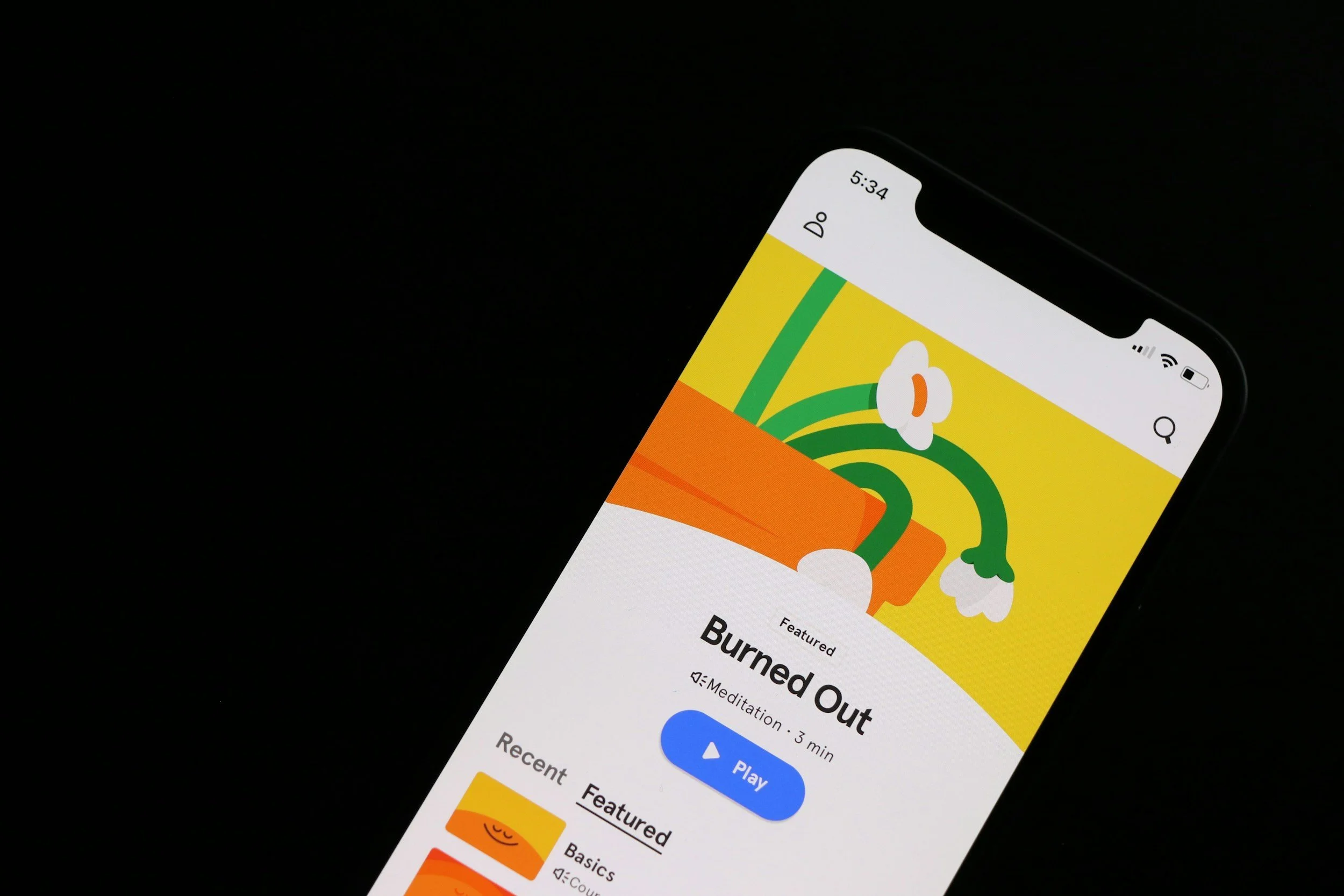
Headspace Report Finds Workplace Strain Rising as AI and Constant Change Reshape Employee Wellbeing
Krissy Vann | Host, All Things Fitness and Wellness
Mental health challenges in the workplace are no longer being framed solely around burnout. New research from Headspace suggests a broader issue may be taking hold across organizations: chronic mental and cognitive strain that builds over time and rarely switches off.
In its eighth annual Workforce State of Mind report, Headspace found that 92% of workers are experiencing some level of strain, with 37% saying it has increased over the past year. The findings point to a workforce operating under persistent pressure from organizational uncertainty, shifting priorities, and technology changes that continue to reshape day to day work.
The report identifies unclear company priorities as the leading contributor to strain, cited by 41% of respondents. Job insecurity followed at 37%, while the pace of organizational change was named by 29%. Other contributors included frequent context switching and the adoption of new technologies, including artificial intelligence.
AI, in particular, emerged as a recurring theme throughout the findings. Seventy percent of employees reported that their organization introduced new AI technologies over the last year, making it the most common workplace change experienced by respondents.
While AI tools are often positioned as productivity enhancers, the report suggests workers are feeling pressure on the other side of that equation as well. Nearly half of respondents said mental or cognitive strain had affected their ability to apply sound judgment when using AI and other technologies.
Sleep disruption also surfaced as a major issue. More than 70% of workers reported that mental or cognitive strain had negatively affected key areas of functioning, including sleep quality, focus, and productivity. Specifically, 76% said strain impacted their sleep, 73% said it affected concentration, and 70% reported reduced productivity at work.
Lisa Mulrooney Gross, Chief People Officer at Headspace, said the relationship between stress and cognitive performance appears to be creating a cycle that becomes difficult to interrupt.
"Mental and cognitive strain are locked in a loop. You can't think straight when you're stressed, and you can't de-stress when your mind won't stop. AI is pouring fuel on that fire. We're seeing it at every level with workers running on empty at the exact moment they're being asked to do the hardest thinking of their careers."
The report also highlighted gaps between how organizations perceive support efforts and how employees experience them. Fifty eight percent of workers said they had not received any resilience, stress management, emotional intelligence, change management, or similar training over the past year.
Perceptions differed notably between leadership and employees. Forty four percent of people managers believed individual contributors had been equipped with resilience skills to manage ongoing change, while only 23% of employees agreed.
Organizational change itself appeared to be creating emotional consequences beyond workload demands. Among workers navigating change initiatives, 51% said they had emotionally checked out, while 45% reported feeling resentment toward leadership.
The report also identified a consistent gender gap across wellbeing measures. Women reported higher levels of strain and lower levels of perceived organizational support.
Seventy three percent of women said strain had affected their productivity, compared to 67% of men. Women also reported worse outcomes across several areas, including sleep quality, focus, and workplace engagement. Only 27% of women said their organization was meeting their mental health needs, compared with 34% of men.
As organizations continue introducing AI tools and navigating shifting business environments, the report suggests the conversation may be moving beyond burnout prevention alone. The challenge for employers increasingly may be addressing the cumulative impact of ongoing pressure before it reaches a breaking point.