Life Time Survey Shows Strength, Longevity, and Sleep Set the Tone for 2026
Krissy Vann | Host, All Things Fitness and Wellness
As 2026 approaches, Life Time has released results from its annual health and wellness survey, offering a snapshot of how Americans are setting goals and reshaping their approach to fitness in the year ahead.
The survey found that 82 percent of respondents plan to focus more on overall health and wellbeing in 2026, marking a seven percent increase from last year. The data reflects a continued shift away from short term weight loss goals and toward strength, longevity, and habits that support long term performance and quality of life.
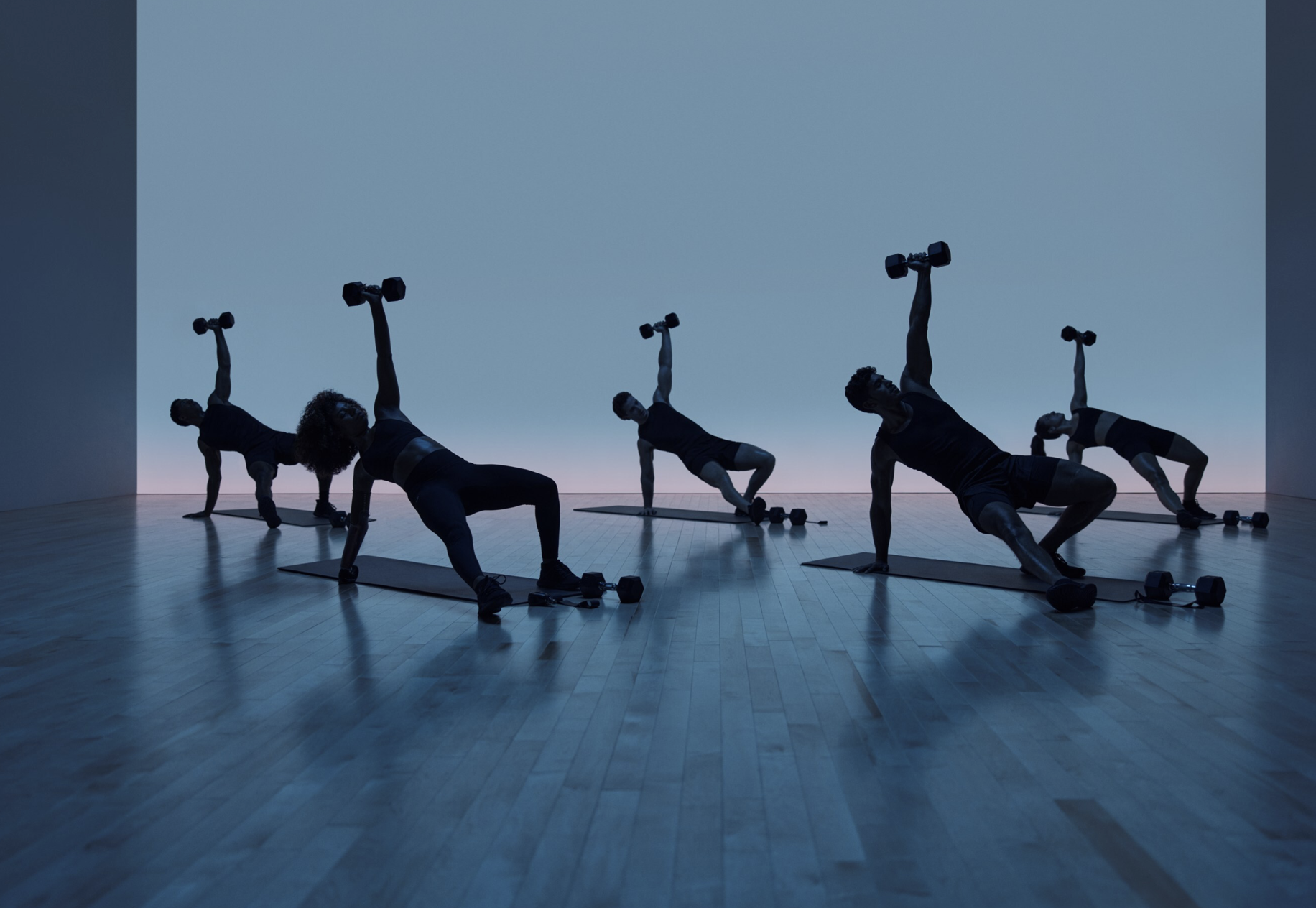
Strength training remains the clear front runner. More than 42 percent of respondents identified getting physically stronger as their primary health goal for 2026, making it the top response overall. Nearly 47 percent said they plan to lift more weights in the New Year, by far the most popular workout intention cited in the survey.
Longevity also continues to rise as a key motivator. About one third of respondents said improving long term healthspan is a leading reason behind their wellness goals, alongside overall fitness, which was cited by nearly half of those surveyed.
“Strength training is the new weight loss,” said Danny King, Director of Recovery and Performance at Life Time. “People are training more intentionally to feel and perform better for longer, and they’re pairing that with smarter recovery and objective health metrics. At Life Time, we’re investing in spaces, equipment, and programming that help people build strength safely, recover effectively, and stay consistent over the long term.”
Emerging technology is also shaping how consumers think about fitness, though interest remains measured rather than universal. About 35 percent of respondents said they already use artificial intelligence tools regularly or occasionally to support workouts, nutrition, or overall health. Another 36 percent reported curiosity about exploring AI supported fitness tools in 2026, while roughly 28 percent said they are not interested. Among current users, workout programming and nutrition guidance or tracking were the most common applications.
When asked which wellness trends are most likely to define 2026, respondents pointed to longevity first at nearly 38 percent, followed by GLP-1 medications and peptides at 24 percent, and AI guided training at about 15 percent.
Lifestyle fundamentals also came through clearly in the data. Sleep emerged as a top priority, with nearly 69 percent of respondents saying they would rather always get eight hours of sleep than eat unlimited snacks without gaining weight. While 43 percent rated their sleep quality as good, nearly one third described it as average, highlighting room for improvement as the New Year begins.
Stress levels entering 2026 were mixed. About 43 percent said their stress feels about the same as last year, 23 percent reported feeling less stressed, and 34 percent said stress levels have increased.
Supplement preferences continue to evolve, with protein, multivitamins, and vitamin D ranking as the most important among respondents, followed by electrolytes and magnesium. When it comes to how people like to train, just over half prefer working out solo, while roughly one third favor group fitness classes.
Social media is playing a growing role in how consumers learn about new fitness and wellness trends. Certified professionals remain the top source of information, but social platforms ranked a close second, ahead of friends and family, news outlets, and podcasts.
For those setting health and fitness goals in 2026, Life Time positions its ecosystem as one designed to support members across every stage of life. Offerings range from expansive strength training floors and personal training to recovery services, pickleball, yoga, Pilates, cycle, and small and large group training. The brand also provides a free digital app with on demand and livestreamed classes, coaching, and wellness content.
The annual survey was conducted between December 1 and December 22, 2025, and included responses from more than 750 general consumers and Life Time members.