Nike Exits Group Fitness Studios After Two-Year Test
Krissy Vann | Host, All Things Fitness and Wellness
Nike is stepping back from its direct-to-consumer group fitness experiment.
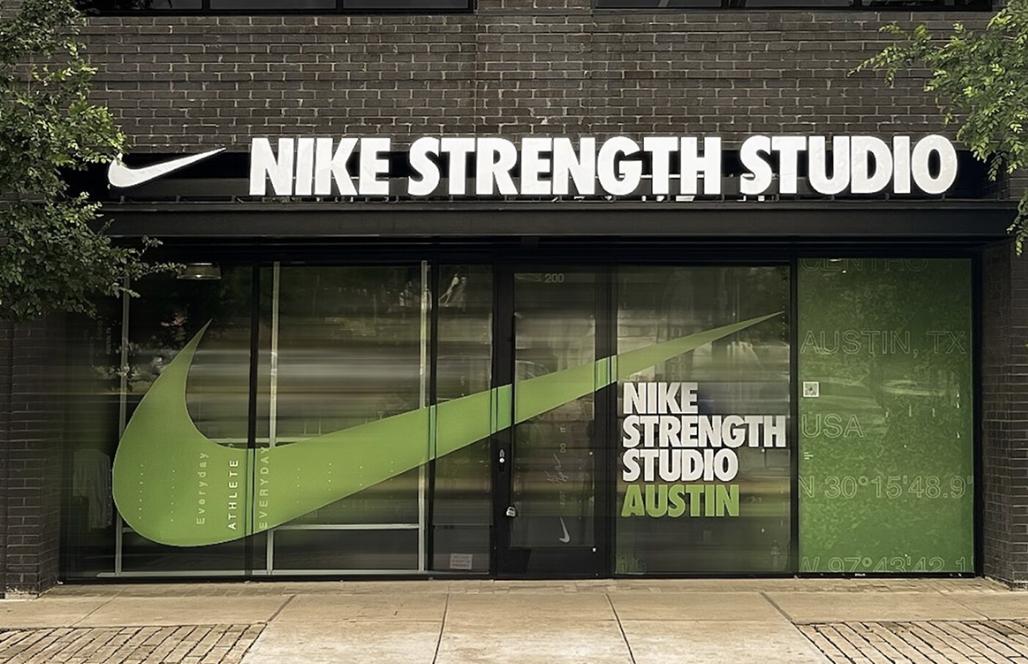
The sportswear giant has closed all Nike Studios locations as of March 27, impacting sites in West Hollywood, Austin, and other markets. The move brings an early end to a concept launched in 2023 that aimed to test Nike’s role in in-person fitness.
Nike Studios offered a mix of HIIT, treadmill-based running, and strength training classes. The concept was operated by FitLab as an affiliate, positioning the studios as a controlled environment to explore brand extension beyond apparel and equipment into experiential fitness.
That test is now winding down. Some studio locations will close permanently, while others are expected to transition into FitLab-backed concepts, including strength-focused Racked, boutique running operator Mile High Run Club, and recovery experience XPT.
The decision does not signal a broader retreat from fitness. Instead, it reflects a shift in how Nike is choosing to participate in the category.
As part of its broader turnaround and return-to-sport strategy, Nike continues to invest in fitness through partnerships and brand-led initiatives. The company recently renewed its After Dark women’s running series and has expanded its presence in commercial fitness environments through equipment partnerships with operators such as Everlast Gyms and Fitness Park. It has also aligned with major football clubs including Atlético de Madrid and Paris Saint-Germain to install premium strength training equipment.
For operators, the takeaway is less about Nike exiting fitness and more about where it sees leverage. Running owned boutique studios introduces operational complexity and capital intensity that may not align with Nike’s core strengths. Partnerships, licensing, and ecosystem plays offer a more scalable path.
Nike remains one of the most influential brands in global sport, with established credibility across running, strength, and performance. Its next move in fitness is likely to be more strategic, and potentially more impactful, than a studio footprint alone.