Ahead of Global Running Day, Study Explores the Role of Nervous System Recovery in Endurance Training
Krissy Vann | Host, All Things Fitness and Wellness
As runners prepare for Global Running Day on June 3, a new pilot study is drawing attention to a part of athletic recovery that often receives less attention than training volume, nutrition, or sleep: the nervous system.
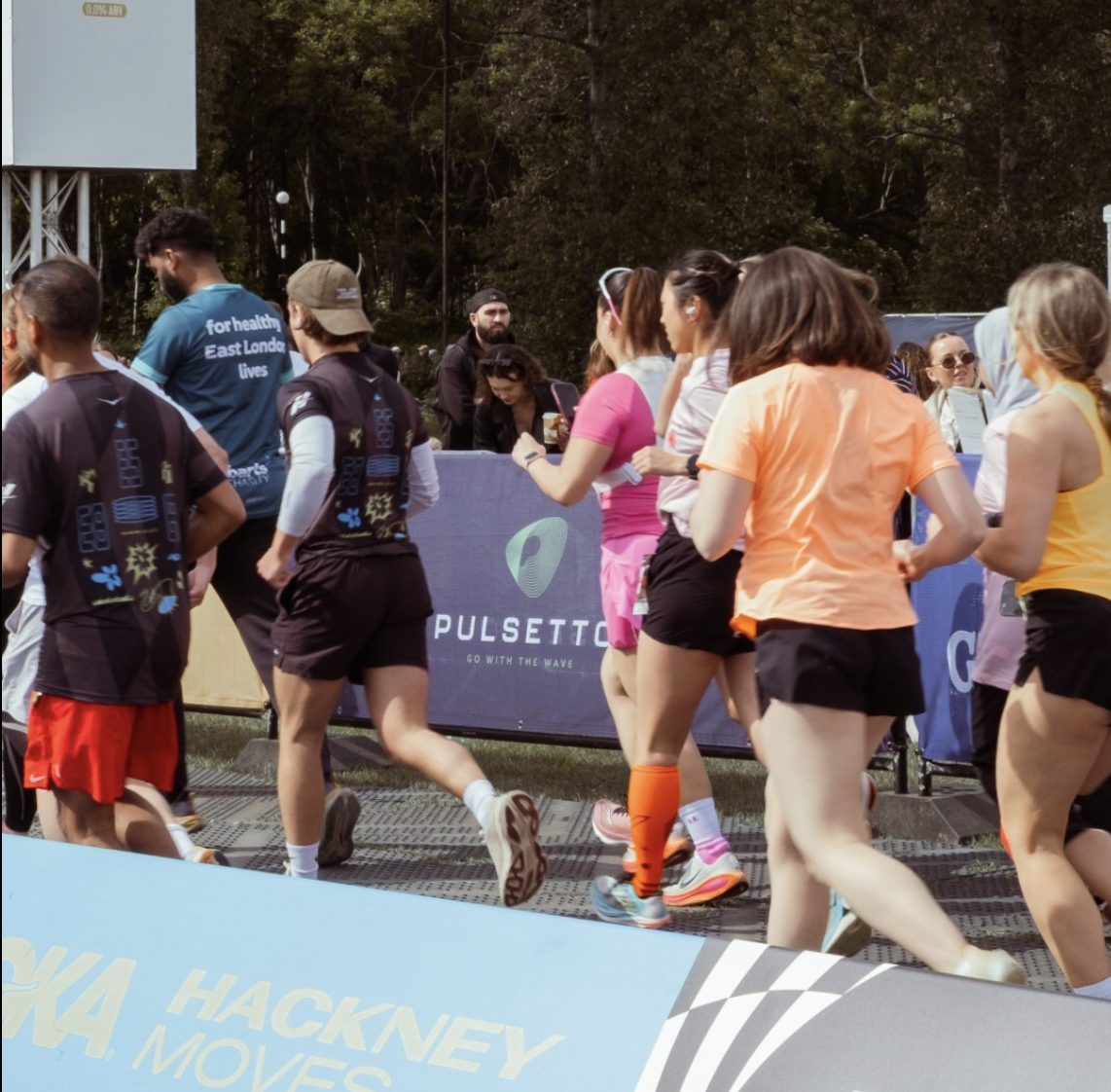
Pulsetto, a wearable vagus nerve stimulation (VNS) company, has released findings from its HOKA Hackney Half Marathon Runner Recovery Project, a real-world pilot that tracked runners throughout their training leading up to the HOKA Hackney Half Marathon in London. The project examined whether vagus nerve stimulation could support recovery, training readiness, sleep quality, and stress management among endurance athletes.
The initiative reflects a growing interest in recovery technologies that extend beyond traditional approaches focused on muscles and cardiovascular fitness. Pulsetto describes the concept as "Stress Fitness," a practice centered on improving nervous system resilience through proactive training rather than responding to burnout after it occurs.
Participants underwent baseline assessments before receiving personalized vagus nerve stimulation protocols developed by Pulsetto's clinical team. Throughout the training period, runners tracked wearable data, including heart rate variability (HRV), sleep scores, and recovery readiness, while also completing weekly surveys about their recovery experiences.
Among the athletes monitored was Nicholas Bester, an elite runner training more than 140 kilometers per week. According to the study, Bester incorporated Pulsetto into his daily recovery routine following intense training sessions and before sleep. His wearable data showed improvements in HRV during the training block, while self-reported freshness scores increased from 7 out of 10 to 9 out of 10.
"When I was training, the hardest part was trying to stay fresh between each race. I used Pulsetto after hard sessions and before bed each night to help me feel recovered mentally and physically," said Bester.
The study also followed Michael Adeniran, a father of two young children balancing endurance training with work and family responsibilities. Adeniran cited sleep challenges and difficulty unwinding after training as major barriers to recovery.
"The hardest part of training was a massive lack of sleep, being able to settle down, and finding time to rest," Adeniran said.
According to Pulsetto, Adeniran's self-reported ratings for evening relaxation and morning freshness improved from 3 out of 10 to 8 out of 10 during the protocol. Wearable data also showed more frequent high sleep scores later in the training period. Adeniran subsequently recorded his fastest half marathon of the year at the HOKA Hackney event.
"The biggest change since using Pulsetto has definitely been sleep and feeling less mentally overloaded. I wake up way more refreshed, and it helps me manage my stress," he said.
The findings add to a broader conversation around athlete recovery and the role that nervous system regulation may play in performance. While recovery has traditionally focused on muscle repair and rest, emerging technologies are increasingly targeting stress management and physiological resilience as potential performance variables.
"What this study reinforces is that recovery is just as much neurological as it is physical," said Dr. Jone Pukėnaitė, Medical and Science Lead at Pulsetto. "The nervous system is the foundation that every other aspect of training is built on, and when athletes learn to train it intentionally, the results show up across sleep, readiness, and resilience."
The runner recovery project builds on Pulsetto's broader Stress Fitness initiative, which positions nervous system conditioning as a regular component of health and performance routines. The company also cites a peer-reviewed, PubMed-indexed clinical study that found participants experienced a 56% reduction in depressive symptoms, a 45% reduction in anxiety, and a 41% improvement in sleep disturbances through vagus nerve stimulation protocols.
As wearable technology continues to evolve, recovery metrics such as HRV, sleep quality, readiness scores, and stress resilience are becoming increasingly common tools for both recreational and competitive athletes. The Pulsetto pilot suggests that nervous system-focused interventions may become a growing area of interest within the endurance sports and recovery markets.
With more than 300,000 users globally, Pulsetto is among a number of companies seeking to bring nervous system monitoring and recovery into the mainstream, reflecting a broader shift toward holistic approaches to athletic performance that address both physical and mental recovery demands.